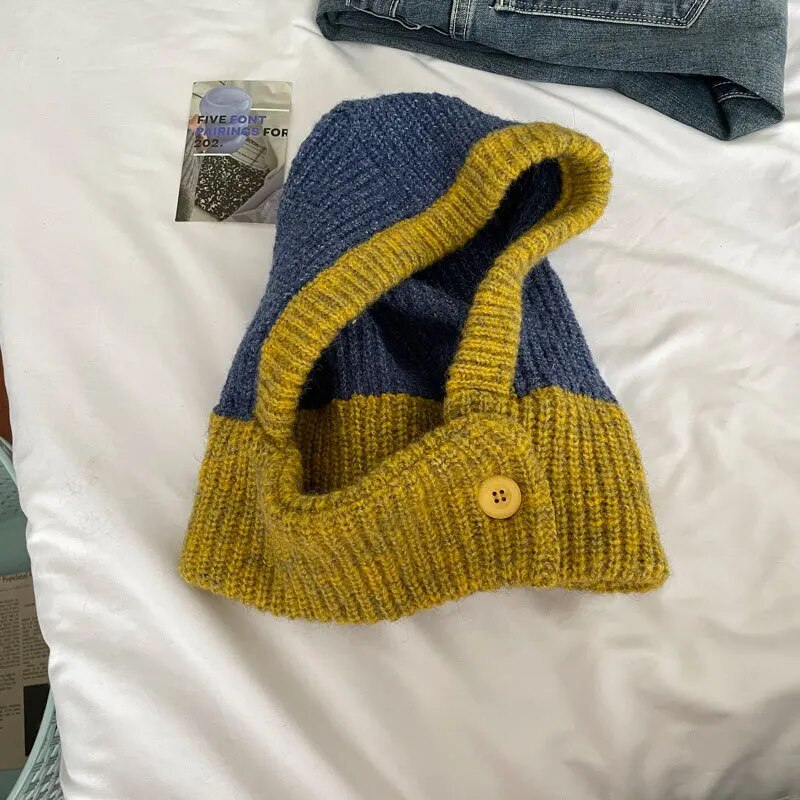
I used to believe these myths, and they led me to buy cheap hats repeatedly. I assumed a hat was just a hat, but that mindset ended up costing me hundreds of dollars over time. I purchased five beanies that fell apart quickly. Here’s the real story on winter headwear.
Modern hats are far more than simple covers. They’re advanced gear that requires thoughtful design and durable materials. If you want a hat that lasts, you need to know what to look for. It’s time to stop settling for poor quality.
This is the biggest misconception out there. Many people assume a $10 beanie feels identical to a $40 one. They might look similar in photos, but the materials are completely different. Cheap hats use thin, weak knitting that loses its shape quickly and stops providing warmth in no time.
Consider what genuine hat enthusiasts say. They recognize quality when they see it. One shopper remarked, "I’ve been shopping with CAPS for years, even before their website existed. It’s the best CAPS store with every style you can imagine. THEY DON’T MISS!" This feedback underscores that quality is tangible. When a brand consistently delivers, it earns customer loyalty for years. People can tell the difference between cheap fluff and real value.
Verdict: Extremely cheap means thin material that won’t keep your head warm in a serious storm. Invest in proven quality for your next woolen beanie cap.
Many shoppers insist on "100% wool," believing it’s the only worthwhile option. Here’s the truth: pure wool can sometimes be itchy, difficult to wash, and prone to pilling.
The best modern hats use blended fabrics, mixing wool with synthetic fibers. This combination creates a softer feel and improves durability. That’s why specialized products, like the New Women Knitted Hat Balaclava, often emphasize features like "Pilling Resistant." This blend translates to a longer lifespan and less fuzz after washing.
Here’s what often goes unmentioned:
Verdict: Focus on quality fibers and pilling resistance rather than a strict "100% wool" label. Blends frequently offer superior performance and comfort.
You might think a beanie is just for the crown of your head, but surviving winter requires full protection. If wind hits your ears or neck, you lose body heat rapidly. The best headwear does more than simply sit on top.
Contemporary design integrates multiple functions into a single item. The product we’re examining proves this point. It’s marketed as a Balaclava Winter Hat but also features an Earflaps and Scarf Hat design. This means maximum cold protection without needing three separate pieces of gear.
Some customers express a desire for more accessories. One noted, "Wide selection of hats and caps. I was disappointed there were no belts and other accessories." This comment highlights the demand for integrated accessories and full-body protection, confirming that hats should complement other cold-weather gear.